

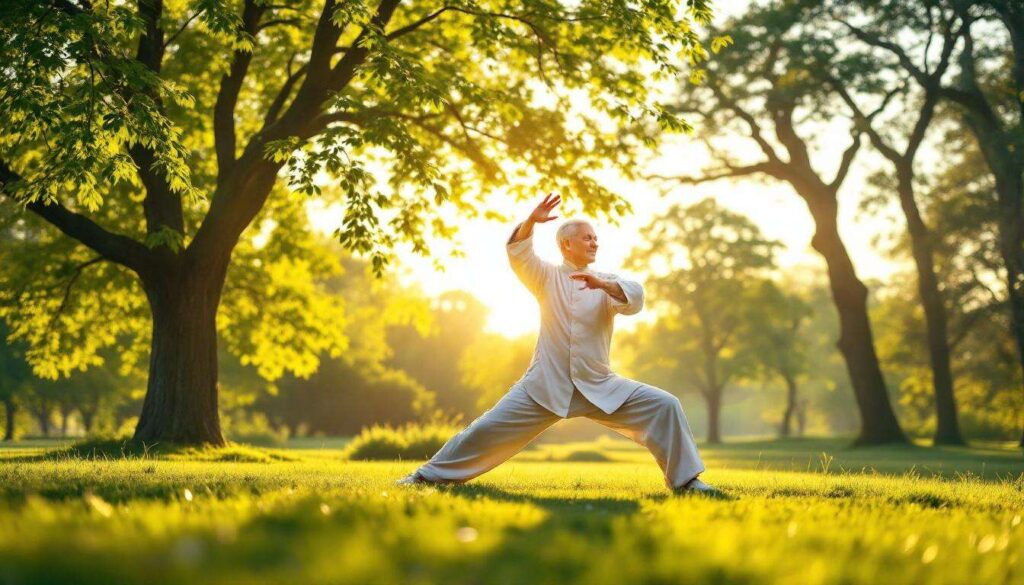
Medical professionals are increasingly recommending tai chi as a primary exercise for individuals over 60, citing compelling evidence that this ancient Chinese practice offers unique advantages for aging populations. This gentle martial art combines slow, flowing movements with deep breathing and meditation, creating a comprehensive workout that addresses multiple aspects of health simultaneously. Recent studies have demonstrated that tai chi provides superior benefits in areas critical to aging adults, including balance, cognitive function, and stress reduction, when compared to more traditional forms of exercise like swimming or weight training.
The benefits of tai chi for seniors
Enhanced balance and fall prevention
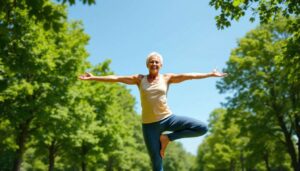
One of the most significant advantages of tai chi for older adults is its remarkable impact on balance and stability. Falls represent a leading cause of injury among seniors, often resulting in fractures, hospitalizations, and loss of independence. Tai chi specifically targets the neuromuscular systems responsible for maintaining equilibrium through its emphasis on weight shifting, controlled movements, and body awareness. Practitioners develop proprioception, the body’s ability to sense its position in space, which deteriorates naturally with age.
Cardiovascular health without joint stress
Unlike high-impact exercises, tai chi provides cardiovascular benefits while minimizing stress on aging joints. The continuous, flowing movements elevate heart rate moderately, improving circulation and heart health without the jarring impact associated with running or the resistance strain of heavy weightlifting. This makes it particularly suitable for individuals with arthritis, osteoporosis, or previous joint injuries.
Mental and cognitive improvements
Tai chi requires practitioners to memorize sequences of movements, coordinate physical actions with breathing patterns, and maintain focused attention. This mental engagement stimulates cognitive function and may help slow age-related cognitive decline. Research indicates that regular tai chi practice can improve:
- Memory retention and recall
- Executive function and decision-making abilities
- Attention span and concentration
- Processing speed for mental tasks
Stress reduction and emotional well-being
The meditative aspects of tai chi promote relaxation and reduce cortisol levels, the hormone associated with chronic stress. Older adults often face significant stressors, including health concerns, loss of loved ones, and lifestyle changes. The mindful movement inherent in tai chi practice provides a constructive outlet for managing anxiety and depression while fostering a sense of calm and emotional balance.
These multifaceted benefits establish tai chi as more than just physical exercise, positioning it as a holistic wellness practice particularly suited to the needs of aging bodies and minds.
Why tai chi is preferred over weights and swimming
Accessibility and injury risk comparison
While swimming and weight training offer undeniable health benefits, they present challenges that make them less ideal for many seniors. Swimming requires access to pools, which may be limited or expensive, and some older adults experience discomfort with water temperature or have mobility issues that make pool entry difficult. Weight training, when performed incorrectly, carries substantial injury risk, particularly for individuals with decreased bone density or muscle mass.
Tai chi can be practiced virtually anywhere with minimal space requirements and no equipment. The risk of injury is exceptionally low because movements are performed slowly and within each individual’s comfortable range of motion.
Comprehensive functional fitness
Tai chi develops functional fitness, the physical capabilities needed for daily living activities. Unlike isolated muscle training with weights, tai chi movements mimic real-world actions such as reaching, turning, and weight shifting. This translates directly to improved performance in everyday tasks like grocery shopping, gardening, or navigating stairs.
| Exercise Type | Balance Improvement | Flexibility Gains | Injury Risk | Equipment Needed |
|---|---|---|---|---|
| Tai Chi | High | High | Very Low | None |
| Weight Training | Low | Low | Moderate to High | Extensive |
| Swimming | Low | Moderate | Low | Pool Access |
Social engagement opportunities
Tai chi classes provide valuable social interaction, which is crucial for mental health and longevity. Many seniors experience isolation, and group tai chi sessions create communities of practice where participants encourage and support one another. Swimming is often a solitary activity, and weight training, while sometimes social, can be intimidating for beginners in gym environments.
The unique combination of safety, accessibility, and holistic benefits explains why medical professionals increasingly view tai chi as the optimal exercise choice for older populations.
The impact of tai chi on longevity
Scientific evidence linking tai chi to extended lifespan
Multiple longitudinal studies have established connections between regular tai chi practice and increased life expectancy. Research published in medical journals demonstrates that seniors who practice tai chi consistently show reduced mortality rates compared to sedentary peers and even those engaged in other forms of exercise. The mechanisms behind this longevity effect are multifaceted, involving improvements in cardiovascular health, immune function, and inflammation reduction.
Chronic disease management and prevention
Tai chi has proven effective in managing and preventing chronic conditions that significantly impact lifespan. Regular practitioners experience:
- Lower blood pressure and reduced hypertension risk
- Improved glucose metabolism and diabetes management
- Enhanced respiratory function and lung capacity
- Reduced chronic pain from conditions like fibromyalgia and arthritis
- Strengthened immune system response
Cellular-level health benefits
Emerging research suggests that tai chi may influence health at the cellular level. Studies have found that regular practice is associated with increased telomere length, protective caps on chromosomes that shorten with age and cellular division. Longer telomeres are correlated with slower biological aging and reduced risk of age-related diseases. Additionally, tai chi appears to reduce oxidative stress and systemic inflammation, both contributors to accelerated aging.
Quality of life and independence preservation
Longevity means little without quality of life. Tai chi uniquely contributes to both extended lifespan and improved healthspan, the period of life spent in good health. By maintaining mobility, balance, and cognitive function, tai chi helps seniors preserve independence longer, reducing the likelihood of requiring assisted living or nursing care. This sustained autonomy contributes significantly to overall life satisfaction and mental health in later years.
Understanding these longevity benefits provides compelling motivation for seniors considering starting a new exercise program.
Tips for starting tai chi after 60
Finding qualified instruction
Beginning tai chi with proper guidance is essential for maximizing benefits and ensuring correct form. Look for instructors certified through recognized tai chi organizations who have specific experience teaching older adults. Many community centers, senior centers, and hospitals offer tai chi classes designed for beginners. When evaluating potential classes, consider:
- Instructor credentials and teaching experience with seniors
- Class size and individual attention available
- Pace of instruction and accommodation for different ability levels
- Accessibility of the practice location
Starting slowly and setting realistic expectations
New practitioners should approach tai chi with patience and realistic expectations. Progress occurs gradually, and the full benefits accumulate over months of consistent practice. Begin with shorter sessions, perhaps 20-30 minutes, and gradually increase duration as stamina improves. It is normal to feel awkward initially or struggle with balance during certain movements. This discomfort diminishes with practice as the body adapts.
Adapting movements for individual limitations
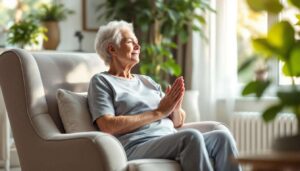
Tai chi is highly adaptable to individual physical conditions. Practitioners with mobility limitations can modify movements or even practice seated tai chi, which provides many of the same benefits. Communicate openly with instructors about any health conditions, previous injuries, or physical limitations. A qualified instructor can suggest appropriate modifications that allow safe participation while still challenging the body appropriately.
Establishing a consistent practice routine
Consistency is more important than intensity for reaping tai chi’s benefits. Aim for regular practice sessions, ideally 3-5 times weekly. Many practitioners find that morning sessions help establish a positive tone for the day, though any time that fits reliably into your schedule works well. Consider supplementing formal classes with home practice using instructional videos or written guides provided by your instructor.
Real-world experiences from those who have embraced tai chi in their later years offer valuable insights and inspiration for those considering beginning their own practice.
Testimonials from older practitioners
Improved mobility and pain reduction
Margaret, a 67-year-old retired teacher, reports that six months of tai chi practice significantly reduced her chronic knee pain and improved her ability to walk without assistance. She notes that activities she had abandoned, like hiking with her grandchildren, have become possible again. Her physician reduced her pain medication dosage after observing her functional improvements.
Enhanced balance and confidence
Robert, age 72, began tai chi after experiencing several falls that left him fearful of walking independently. After one year of consistent practice, he reports feeling substantially more stable and confident in his movements. He has not experienced a fall since beginning tai chi and credits the practice with allowing him to maintain his independent living situation.
Mental clarity and stress management
Susan, 65, discovered tai chi while seeking non-pharmaceutical approaches to managing anxiety following her husband’s death. She describes the practice as transformative for her mental health, providing both a meditative outlet and a supportive community. She reports improved sleep quality, reduced anxiety symptoms, and a renewed sense of purpose through her involvement in the tai chi community.
Social connections and community building
James, 70, emphasizes the social benefits of his tai chi practice as much as the physical ones. His weekly class has become a cornerstone of his social life, providing regular interaction with peers who share common interests. Several class members have become close friends, organizing social activities beyond their practice sessions. This social engagement has significantly enhanced his overall quality of life and sense of belonging.
The growing body of evidence supporting tai chi for senior health, combined with its accessibility and low risk profile, makes it an increasingly attractive option for those seeking to maintain vitality and independence in their later years. Medical professionals continue to recognize its unique combination of physical, mental, and social benefits, positioning tai chi as a cornerstone practice for healthy aging. For individuals over 60 looking to invest in their long-term health and longevity, tai chi offers a gentle yet powerful path forward that addresses the whole person rather than isolated aspects of fitness.