



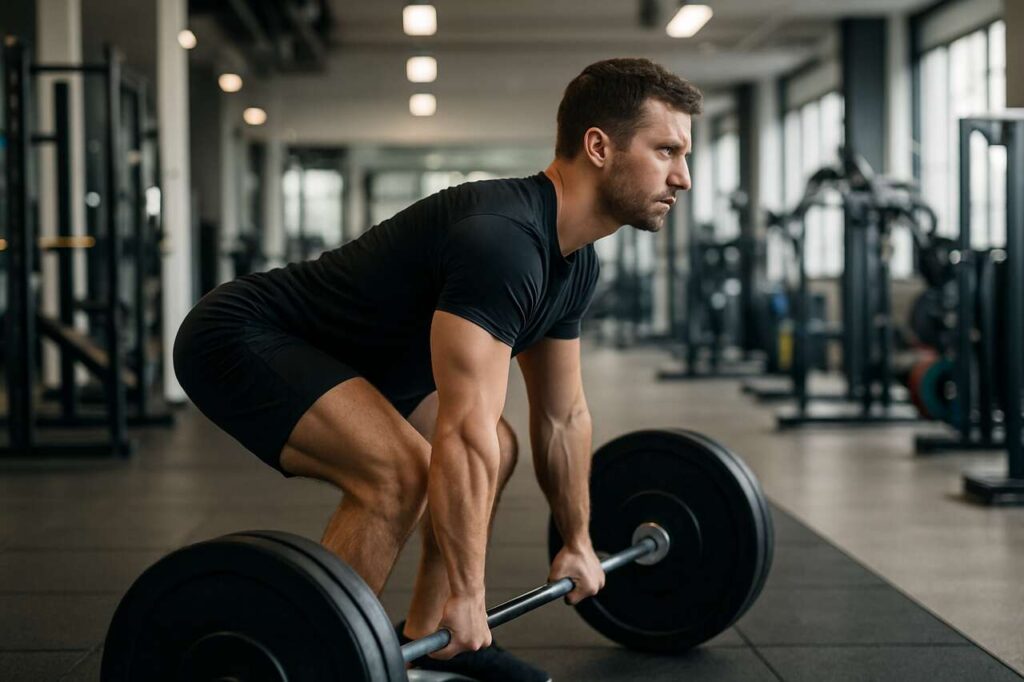
Spending hours seated at a desk, in a car, or on a couch has become the norm for many people. This prolonged sitting can lead to significant muscular imbalances, particularly affecting the posterior chain—the group of muscles running along the back of your body. These muscles, including the glutes, hamstrings, and back muscles, are essential for maintaining proper posture, preventing injuries, and supporting overall physical performance. When these muscles weaken due to inactivity, the consequences can extend far beyond simple discomfort, impacting your daily movements and long-term health.
Understanding the impact of a sedentary lifestyle on the posterior chain
How prolonged sitting affects muscle activation
When you remain seated for extended periods, the muscles in your posterior chain enter a state of relative inactivity. The glutes, in particular, become dormant and lose their ability to activate properly during movement. This phenomenon, often referred to as gluteal amnesia, occurs because the muscles are constantly in a lengthened, relaxed position. Over time, this lack of engagement leads to:
- Reduced muscle strength and endurance
- Decreased neural connection between the brain and these muscles
- Compensatory patterns where other muscles take over functions they weren’t designed to perform
- Poor posture and alignment throughout the kinetic chain
The muscular imbalances created by desk work
Sedentary behavior doesn’t just weaken the posterior chain—it also creates muscular imbalances throughout the body. While you sit, the hip flexors at the front of your body remain in a shortened position, becoming tight and overactive. Meanwhile, the opposing muscles in the posterior chain become weak and underactive. This imbalance creates a forward-tilted pelvis, which places excessive stress on the lower back and compromises the spine’s natural curves. The result is a body that struggles to maintain proper alignment during both rest and movement.
These structural changes don’t remain isolated to one area. The weakened posterior chain affects your entire movement pattern, from how you walk to how you lift objects. Understanding these impacts highlights why targeted strengthening becomes essential for anyone spending significant time sitting.
The dangers of a weakened posterior chain
Increased risk of back and knee injuries
A compromised posterior chain significantly elevates your risk of injury, particularly in the lower back and knees. When the glutes and hamstrings fail to perform their stabilizing roles, other structures must compensate. The lower back muscles often bear this additional burden, leading to strain, chronic pain, and potential disc problems. Similarly, weak glutes fail to properly control hip and knee alignment during movement, placing abnormal stress on the knee joints and increasing the likelihood of conditions such as:
- Patellofemoral pain syndrome
- IT band syndrome
- ACL injuries
- Chronic lower back pain
Impact on athletic performance and daily activities
Beyond injury risk, a weak posterior chain directly compromises both athletic performance and everyday functionality. These muscles are primary power generators for activities like running, jumping, climbing stairs, and lifting. When they’re underdeveloped, you lose explosive strength, speed, and endurance. Even simple daily tasks become more challenging and less efficient.
| Activity | Role of Posterior Chain | Impact of Weakness |
|---|---|---|
| Walking | Propulsion and stability | Shuffling gait, reduced speed |
| Lifting objects | Hip extension and spinal support | Back strain, improper form |
| Running | Power generation and shock absorption | Decreased speed, higher injury risk |
| Standing from seated | Hip extension force | Reliance on momentum, difficulty rising |
These functional limitations accumulate over time, potentially leading to a cycle of decreased activity and further weakness. Addressing posterior chain strength becomes crucial not just for athletes but for anyone seeking to maintain independence and quality of life as they age.
Why strengthen the posterior chain: benefits and advantages
Improved posture and spinal alignment
Strengthening the posterior chain delivers immediate postural benefits. Strong glutes and back muscles pull the pelvis into proper alignment, restoring the spine’s natural curves and reducing excessive forward lean. This improved alignment decreases compression on spinal discs and reduces the chronic tension many people experience in their neck and shoulders. Better posture also enhances breathing efficiency and projects confidence in both professional and social settings.
Enhanced athletic capabilities and injury prevention
A robust posterior chain serves as the foundation for athletic excellence across virtually all sports and physical activities. These muscles generate the power for sprinting, jumping, and changing direction. They also provide crucial stability during complex movements, reducing the likelihood of acute injuries. Regular posterior chain training improves:
- Explosive power and acceleration
- Endurance during prolonged activities
- Balance and coordination
- Joint stability throughout the lower body
- Recovery time between training sessions
Beyond performance, this strengthening creates a protective effect that extends into daily life, making you more resilient against the physical demands of modern living. With these benefits clearly established, the question becomes how to effectively target and develop these essential muscles.
The three essential exercises for a stronger posterior chain
Resistance band exercises for stability and strength
Resistance bands offer an accessible and effective method for activating the posterior chain. These versatile tools provide constant tension throughout movements, engaging stabilizing muscles that free weights sometimes miss. A fundamental exercise involves anchoring a band at chest height and pulling it toward your body while maintaining a stable, upright posture. This movement activates the back muscles while requiring the glutes and core to maintain proper alignment. The adjustable resistance makes bands suitable for all fitness levels, and their portability allows training anywhere.
Sliding hamstring curl for targeted activation
The sliding hamstring curl represents a highly practical exercise requiring minimal equipment—just a towel and a smooth floor surface. To perform this movement:
- Lie on your back with heels on the towel
- Lift your hips to create a straight line from shoulders to knees
- Pull your heels toward your glutes while maintaining hip elevation
- Slowly slide your feet back to the starting position
- Repeat for the desired number of repetitions
This exercise specifically targets the hamstrings while requiring significant glute activation to maintain the hip bridge position. The sliding component adds an eccentric challenge that builds both strength and control.
Kettlebell and barbell movements for comprehensive development
More advanced practitioners benefit from incorporating kettlebell and barbell exercises into their posterior chain training. Movements like deadlifts, Romanian deadlifts, and kettlebell swings provide comprehensive stimulation across all posterior chain muscles. These exercises allow for progressive overload—the gradual increase in resistance necessary for continued strength gains. While requiring proper technique instruction, these movements deliver exceptional results for building both strength and muscle mass throughout the back of the body.
With these three exercise categories providing a complete toolkit for posterior chain development, the next consideration becomes how to integrate them effectively into your existing schedule.
Tips for incorporating these exercises into your daily routine
Creating a sustainable training schedule
Consistency matters more than intensity when developing the posterior chain. Rather than attempting exhaustive workouts sporadically, aim for regular, manageable sessions several times per week. A practical approach involves dedicating 15-20 minutes to posterior chain work three to four times weekly. This frequency provides adequate stimulus for adaptation while allowing sufficient recovery. Consider scheduling these sessions:
- Before breakfast as a morning energizer
- During lunch breaks for midday movement
- After work to counteract sitting
- As part of existing workout routines
Progressive overload and adaptation strategies
Effective training requires gradual progression to continue challenging your muscles. Begin with bodyweight variations and lighter resistance bands, focusing on proper form and muscle activation. As movements become easier, increase difficulty through:
| Progression Method | Application | Timeline |
|---|---|---|
| Increased repetitions | Add 2-3 reps per week | 2-3 weeks |
| Heavier resistance | Progress to next band level or weight | 3-4 weeks |
| Additional sets | Add one set when current volume feels easy | 2-3 weeks |
| Movement complexity | Progress to single-leg variations | 4-6 weeks |
This systematic approach ensures continuous improvement while minimizing injury risk. However, even with careful progression, certain precautions remain essential for safe and effective training.
Precautions and mistakes to avoid when training the posterior chain
Common form errors and their corrections
Poor technique undermines training effectiveness and increases injury risk. The most frequent mistakes include rounding the lower back during hip-hinge movements, allowing knees to collapse inward during squatting patterns, and using momentum rather than controlled muscle contraction. To avoid these errors:
- Maintain a neutral spine throughout all movements
- Keep knees aligned with toes during lower body exercises
- Move deliberately, controlling both lifting and lowering phases
- Start with lighter resistance to establish proper patterns
- Consider working with a qualified trainer initially
Listening to your body and managing recovery
While consistency drives progress, adequate recovery remains equally important. Muscle soreness following initial sessions is normal, but sharp pain signals a problem requiring attention. Allow at least 48 hours between intense posterior chain sessions targeting the same muscles. Support recovery through proper nutrition, hydration, and sleep. If persistent pain develops, consult a healthcare professional before continuing training.
Strengthening your posterior chain represents an essential investment in long-term health and functionality. The three exercises outlined—resistance band work, sliding hamstring curls, and kettlebell or barbell movements—provide a comprehensive approach to reversing the effects of prolonged sitting. By incorporating these movements into your regular routine with proper form and progressive challenge, you can rebuild strength in these critical muscles, improve your posture, reduce injury risk, and enhance both athletic performance and daily function. The key lies not in perfect execution from the start, but in consistent effort over time, allowing your body to adapt and grow stronger with each session.