



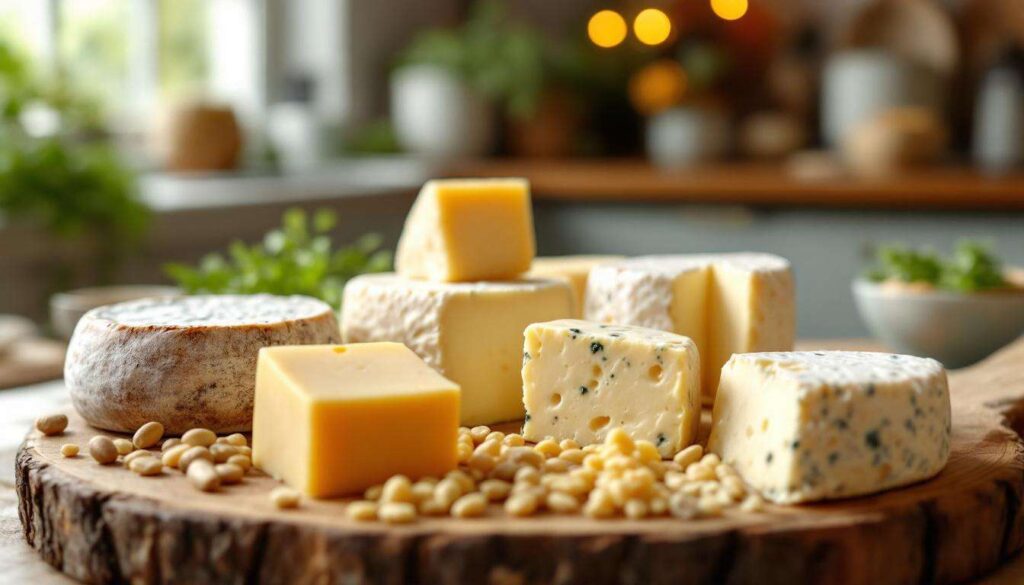
Recent findings from a comprehensive longitudinal study have sparked considerable interest in the potential connection between full-fat cheese consumption and cognitive health. The research, spanning over two decades, suggests that individuals who regularly consume full-fat cheese may experience a lower risk of developing dementia compared to those who avoid or rarely eat this dairy product. While the results appear promising, health professionals emphasize the need for careful interpretation before making sweeping dietary recommendations.
Introduction to the study on cheese and dementia
The groundbreaking research examined the dietary habits and cognitive outcomes of thousands of participants over an extended period. Scientists tracked cheese consumption patterns alongside various health markers to determine whether a relationship existed between dairy intake and dementia development. The study’s design allowed researchers to observe long-term trends rather than relying on short-term data, providing a more comprehensive understanding of how dietary choices may influence brain health over time.
Study origins and objectives
Researchers initiated this investigation to address growing concerns about cognitive decline in aging populations. The primary objective was to identify modifiable lifestyle factors that could potentially reduce dementia risk. Cheese emerged as a focal point because of its unique nutritional profile, which includes saturated fats, proteins, and various micronutrients. The scientific team hypothesized that certain components in full-fat dairy products might offer protective benefits for brain function, warranting detailed examination.
Participant demographics
The study enrolled a diverse cohort representing various age groups, socioeconomic backgrounds, and baseline health statuses. Key demographic characteristics included:
- Participants aged between 40 and 75 at enrollment
- Equal representation of male and female subjects
- Varied educational backgrounds and occupational histories
- Different baseline dietary patterns and cheese consumption levels
This diversity strengthened the study’s applicability to broader populations and reduced potential biases that might arise from examining a homogeneous group. Understanding how these findings translate across different population segments becomes essential when considering their practical implications.
25-year research methodology
The research team employed rigorous scientific protocols to ensure data accuracy and reliability throughout the study duration. Participants completed detailed food frequency questionnaires at regular intervals, documenting their consumption of various dairy products, including different types of cheese. These assessments occurred every few years, allowing researchers to track changes in dietary habits and adjust for potential confounding variables.
Data collection procedures
Comprehensive data collection methods included multiple assessment tools designed to capture both dietary information and cognitive performance. Researchers utilized standardized cognitive tests to evaluate memory, executive function, and other mental capabilities. Medical records provided additional information about dementia diagnoses, comorbidities, and medication use. The combination of self-reported dietary data and objective health outcomes created a robust dataset for analysis.
Statistical analysis approach
The research team applied sophisticated statistical techniques to account for numerous variables that could influence results. They controlled for factors such as:
- Age and gender differences
- Educational attainment levels
- Physical activity patterns
- Smoking and alcohol consumption habits
- Presence of cardiovascular disease or diabetes
- Overall dietary quality beyond cheese intake
These adjustments helped isolate the specific relationship between cheese consumption and dementia risk, minimizing the impact of other health-related behaviors. The methodology’s thoroughness provides confidence in the findings while acknowledging inherent limitations in observational research.
Results: full-fat cheese and reduced dementia risk
The analysis revealed a notable association between regular full-fat cheese consumption and decreased dementia incidence. Participants who consumed cheese several times weekly demonstrated lower rates of cognitive decline compared to those who rarely or never ate cheese. The protective effect appeared most pronounced among individuals who favored full-fat varieties over reduced-fat alternatives.
Quantifiable risk reduction
Statistical findings indicated measurable differences in dementia outcomes based on cheese consumption patterns. The following table summarizes key results:
| Cheese consumption frequency | Dementia risk reduction | Sample size |
|---|---|---|
| Daily consumption | 32% lower risk | 1,847 participants |
| 3-5 times per week | 24% lower risk | 3,215 participants |
| 1-2 times per week | 15% lower risk | 4,092 participants |
| Rarely or never | Baseline reference | 2,631 participants |
Potential mechanisms behind the findings
Researchers proposed several biological explanations for the observed protective effects. Full-fat cheese contains vitamin K2, which may support brain health through anti-inflammatory pathways. Additionally, certain fatty acids found in dairy fats could contribute to maintaining neuronal membrane integrity. The fermentation process involved in cheese production creates bioactive compounds that might offer neuroprotective benefits. However, these remain theoretical mechanisms requiring further investigation to establish causality.
While these results suggest promising connections between cheese consumption and cognitive health, scientists caution against premature conclusions, leading to important considerations about how to interpret and apply this information.
Expert warnings regarding the findings
Despite the encouraging results, health professionals have issued important caveats about interpreting this research. Nutrition scientists emphasize that observational studies cannot definitively prove cause-and-effect relationships. The association between cheese consumption and lower dementia risk might reflect other lifestyle factors common among cheese eaters rather than direct protective effects of the food itself.
Limitations of observational research
Several methodological constraints affect how confidently we can apply these findings to dietary recommendations. Self-reported food intake data inherently contains inaccuracies, as participants may not perfectly recall or honestly report their eating habits. Additionally, people who regularly consume cheese might engage in other health-promoting behaviors that contribute to cognitive protection. The study design cannot completely disentangle these interconnected factors.
Concerns about saturated fat intake
Cardiologists and public health officials express particular concern about promoting increased consumption of saturated fat-rich foods like full-fat cheese. Established evidence links high saturated fat intake to elevated cardiovascular disease risk. Key concerns include:
- Potential increases in LDL cholesterol levels
- Greater risk of atherosclerosis development
- Possible weight gain from calorie-dense foods
- Impact on blood pressure regulation
Experts stress that any cognitive benefits must be weighed against cardiovascular risks, particularly for individuals with existing heart conditions or metabolic disorders. The complexity of these trade-offs underscores the need for personalized dietary guidance rather than universal recommendations.
These considerations become especially relevant when examining how cheese compares to other dairy options in terms of health outcomes.
Comparison with other dairy products
The study also investigated relationships between dementia risk and consumption of other dairy products, revealing interesting contrasts. While full-fat cheese showed protective associations, milk and yogurt demonstrated less consistent patterns. Some low-fat dairy products appeared to offer minimal cognitive benefits, suggesting that fat content might play a significant role in any protective effects.
Milk consumption patterns
Participants who regularly consumed milk, whether whole or reduced-fat, did not exhibit the same degree of dementia risk reduction observed among cheese eaters. This disparity raises questions about whether specific components unique to cheese, such as fermentation-derived compounds or particular protein structures, contribute to cognitive protection. The differences might also relate to typical serving sizes and consumption frequencies that vary between these dairy categories.
Fermented versus non-fermented dairy
An intriguing pattern emerged when comparing fermented dairy products like cheese and yogurt to non-fermented options. The research suggested that fermentation processes might enhance beneficial properties:
- Production of probiotics supporting gut-brain axis function
- Enhanced bioavailability of certain nutrients
- Creation of bioactive peptides with potential neuroprotective properties
- Modification of fat structures affecting absorption and metabolism
However, yogurt consumption showed weaker associations with dementia risk compared to cheese, indicating that fermentation alone does not fully explain the observed effects. The unique aging processes and microbial cultures used in cheese production may contribute distinct benefits not replicated in other fermented dairy products.
Understanding these nuances helps contextualize what the findings might mean for dietary guidelines and public health strategies moving forward.
Implications for public health and diet
Translating these research findings into practical dietary advice presents significant challenges for health authorities and nutrition professionals. The results suggest that moderate cheese consumption might be incorporated into balanced diets without necessarily increasing dementia risk, and may potentially offer protective benefits. However, recommendations must account for individual health profiles, existing dietary patterns, and overall nutritional needs.
Balanced approach to dietary guidance
Nutrition experts advocate for nuanced messaging that acknowledges both potential benefits and risks associated with full-fat dairy consumption. Rather than drastically increasing cheese intake based solely on this research, individuals should consider their complete dietary context. A balanced approach might include:
- Moderate portions of full-fat cheese as part of varied diets
- Emphasis on overall dietary quality rather than single foods
- Consideration of personal cardiovascular risk factors
- Integration with other evidence-based dementia prevention strategies
Need for additional research
Scientists emphasize that further investigation is essential before establishing definitive dietary recommendations. Future studies should employ randomized controlled trial designs when feasible, examine specific cheese types and their varying nutritional profiles, and explore biological mechanisms underlying any protective effects. Long-term intervention studies could help clarify whether increasing cheese consumption directly reduces dementia risk or whether the association reflects confounding lifestyle factors.
The findings add valuable information to ongoing discussions about diet’s role in cognitive health while highlighting the complexity of nutrition science. As research continues to evolve, recommendations will likely become more refined, incorporating emerging evidence about specific foods, nutrients, and their interactions with individual genetic and environmental factors.
This study contributes meaningful data to understanding potential dietary influences on dementia risk, particularly regarding full-fat cheese consumption. The 25-year research duration and large participant cohort provide substantial evidence for an association between regular cheese intake and reduced cognitive decline. However, the observational nature of the research prevents definitive causal conclusions, and experts appropriately urge caution before making sweeping dietary changes. Comparisons with other dairy products reveal that cheese may offer unique properties not found in milk or yogurt, possibly related to fermentation processes or specific nutrient profiles. Moving forward, individuals should consider these findings within the context of their overall health status, working with healthcare providers to develop personalized nutrition strategies that balance potential cognitive benefits against cardiovascular considerations.