


As people reach their sixties and beyond, maintaining a healthy weight becomes increasingly challenging due to natural metabolic changes, hormonal shifts, and muscle loss. Many older adults rely on daily walks as their primary form of exercise, believing this alone will help them shed unwanted pounds. However, fitness and nutrition experts are now cautioning that while walking offers numerous health benefits, it may fall short when it comes to significant fat loss in this age group. Understanding what truly works requires a comprehensive approach that goes beyond simply logging steps each day.
The importance of physical activity after 60
Understanding age-related metabolic changes
After reaching sixty, the body undergoes significant physiological transformations that directly impact weight management. Metabolism naturally slows by approximately 2-3% per decade, making it harder to burn calories at the same rate as in younger years. Additionally, hormonal changes, particularly declining levels of growth hormone and testosterone in both men and women, contribute to increased fat storage and reduced muscle mass.
Regular physical activity becomes essential for counteracting these natural processes. Exercise helps maintain metabolic function, preserves bone density, and supports cardiovascular health. Beyond fat loss, staying active after sixty provides numerous benefits:
- Improved balance and reduced fall risk
- Enhanced cognitive function and mental clarity
- Better blood sugar regulation
- Increased independence in daily activities
- Reduced risk of chronic diseases including diabetes and heart disease
The psychological benefits of movement
Physical activity also plays a crucial role in mental well-being for older adults. Regular exercise has been shown to reduce symptoms of depression and anxiety while improving sleep quality. Social engagement through group fitness activities can combat isolation, a common concern for this demographic. The confidence gained from maintaining physical capabilities reinforces a positive self-image and motivation to continue healthy habits.
While these benefits are undeniable, the specific type and intensity of exercise matter significantly when the primary goal is fat loss, which brings us to examine why walking alone may not deliver the desired results.
Why walking alone is not enough
The caloric burn limitation
Walking is an excellent low-impact exercise that most people over sixty can safely perform. However, the caloric expenditure from walking is relatively modest. A typical 30-minute walk at a moderate pace burns approximately 100-150 calories, depending on body weight and walking speed. For meaningful fat loss, a person would need to create a caloric deficit of 3,500 calories to lose one pound of fat.
| Activity | Calories Burned (30 minutes) | Weekly Total (5 sessions) |
|---|---|---|
| Moderate walking | 120 calories | 600 calories |
| Brisk walking | 180 calories | 900 calories |
| Strength training | 150 calories | 750 calories |
The muscle preservation problem
Perhaps more importantly, walking does little to address sarcopenia, the age-related loss of muscle mass. Adults over sixty can lose 3-5% of their muscle mass per decade without intervention. Since muscle tissue burns more calories at rest than fat tissue, this loss further compounds the metabolic slowdown. Walking, while beneficial for cardiovascular health, provides insufficient stimulus to maintain or build muscle mass.
Furthermore, the body adapts to repetitive activities over time. Someone who walks the same route at the same pace daily will experience diminishing returns as their body becomes more efficient at that specific movement. This adaptation means fewer calories burned for the same effort, making it progressively harder to achieve fat loss through walking alone.
Recognizing these limitations leads to the question of what additional exercise modalities can complement walking to achieve better fat loss outcomes.
Incorporating resistance exercises
Building and preserving lean muscle
Resistance training stands out as the most effective complement to walking for fat loss after sixty. Lifting weights or using resistance bands stimulates muscle protein synthesis, helping to maintain or even increase muscle mass. This is critical because muscle tissue is metabolically active, burning calories even during rest. Studies show that older adults who engage in regular strength training can increase their resting metabolic rate by 7-8%.
Effective resistance exercises for this age group include:
- Bodyweight squats and modified push-ups
- Resistance band exercises for upper and lower body
- Light to moderate weight training with dumbbells
- Functional movements like sit-to-stand exercises
- Core strengthening exercises including planks and bridges
Safety and progression strategies
For those new to resistance training, starting with proper form and lighter weights is essential to prevent injury. Working with a certified personal trainer who specializes in senior fitness can ensure exercises are performed correctly and safely. Progressive overload, gradually increasing the weight or resistance over time, ensures continued muscle adaptation and fat loss benefits.
A recommended approach involves two to three resistance training sessions per week, allowing adequate recovery time between sessions. Each session should target major muscle groups including legs, back, chest, and arms. Sessions lasting 30-45 minutes provide sufficient stimulus without causing excessive fatigue.
While exercise is fundamental, it represents only one component of successful fat loss after sixty, with dietary choices playing an equally vital role.
The impact of nutrition on fat loss
Protein requirements for older adults
Nutrition becomes increasingly important for fat loss and muscle preservation as we age. Protein intake is particularly critical, with research suggesting older adults need more protein than younger individuals to maintain muscle mass. The recommended intake ranges from 1.0 to 1.2 grams of protein per kilogram of body weight daily, higher than the standard recommendation for younger adults.
Quality protein sources include:
- Lean meats such as chicken, turkey, and fish
- Eggs and dairy products like Greek yogurt
- Plant-based options including legumes, quinoa, and tofu
- Protein supplements when whole food intake is insufficient
Managing caloric intake without deprivation
Creating a modest caloric deficit is necessary for fat loss, but extreme restriction can backfire by slowing metabolism further and causing muscle loss. A sustainable approach involves reducing daily caloric intake by 300-500 calories below maintenance levels. This typically results in a gradual weight loss of 0.5 to 1 pound per week, which is both safe and sustainable for older adults.
Focus should be placed on nutrient-dense whole foods that provide vitamins, minerals, and fiber while controlling portion sizes of calorie-dense items. Adequate hydration is also crucial, as thirst signals diminish with age and dehydration can be mistaken for hunger. Eating regular meals throughout the day helps maintain stable blood sugar levels and prevents overeating.
Beyond just walking and proper nutrition, incorporating various forms of exercise creates a more comprehensive approach to fat loss.
The need for diversity in exercise
Preventing adaptation and plateaus
The human body is remarkably efficient at adapting to repeated stimuli. When exercise routines remain unchanged for extended periods, the body becomes more efficient at performing those movements, resulting in fewer calories burned and reduced fat loss progress. This phenomenon, known as a plateau, frustrates many individuals who wonder why their initial results have stalled.
Introducing variety prevents this adaptation and keeps the body challenged. Different exercise modalities stress the body in unique ways, promoting continued adaptation and calorie expenditure. Diversity also reduces the risk of overuse injuries that can occur from repetitive movements.
Complementary activities for comprehensive fitness
Beyond walking and resistance training, several activities offer excellent benefits for fat loss and overall health:
- Swimming or water aerobics for low-impact cardiovascular exercise
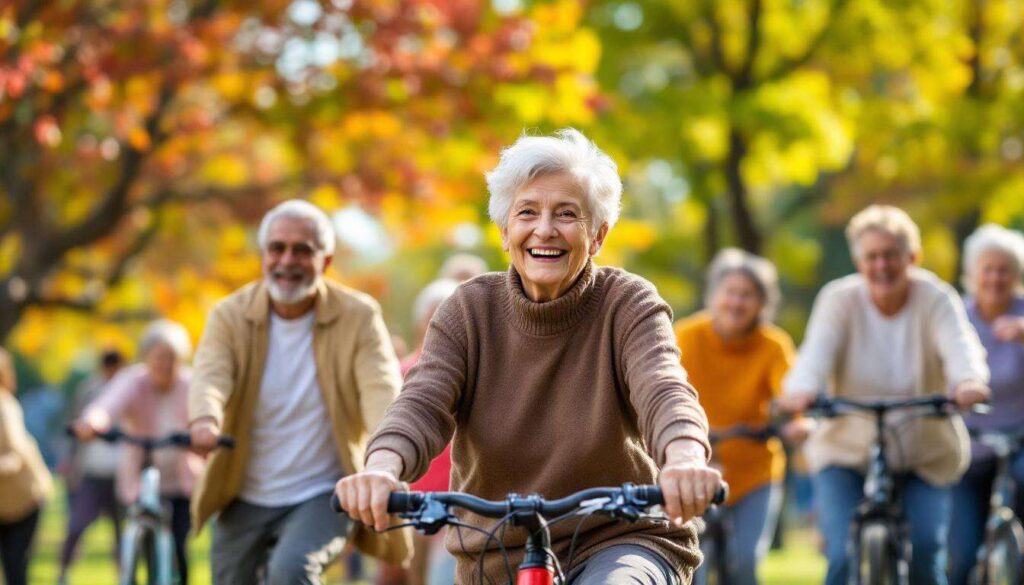
- Cycling, either outdoor or stationary, for leg strength and endurance
- Yoga or tai chi for flexibility, balance, and stress reduction
- Group fitness classes designed for older adults
- Recreational activities like dancing or gardening
A well-rounded weekly routine might include three days of resistance training, two days of moderate cardiovascular activity beyond daily walking, and one or two days of flexibility or balance work. This approach addresses all components of fitness while providing adequate recovery time. The variety also makes exercise more enjoyable and sustainable long-term, reducing the likelihood of abandoning the program.
Implementing these diverse activities effectively requires a systematic approach to monitoring progress and making necessary adjustments.
How to track and adapt progress
Meaningful metrics beyond the scale
While body weight is one indicator of progress, it does not tell the complete story, especially when building muscle while losing fat. Muscle tissue is denser than fat, so body composition can improve significantly even when scale weight changes minimally. Multiple tracking methods provide a more accurate picture of progress and help maintain motivation.
Effective tracking methods include:
- Body measurements of waist, hips, chest, and limbs
- Progress photos taken monthly under consistent conditions
- How clothing fits, particularly around the waist
- Energy levels and exercise performance improvements
- Blood markers such as cholesterol and blood sugar levels
Making informed adjustments
Regular assessment allows for timely modifications to exercise and nutrition plans. If fat loss stalls for more than two weeks despite consistent adherence, adjustments may be necessary. This might involve increasing exercise intensity, adding an extra training session, or reassessing caloric intake. Conversely, if fatigue increases or performance declines, reducing volume or increasing recovery time may be appropriate.
Working with healthcare providers and fitness professionals ensures adjustments are safe and effective. They can help interpret progress data and identify potential obstacles such as medication side effects, hormonal imbalances, or inadequate sleep that may impede fat loss. Patience and consistency remain crucial, as sustainable fat loss occurs gradually rather than through rapid, unsustainable changes.
Successful fat loss after sixty requires a multifaceted approach that extends well beyond daily walks. While walking provides valuable health benefits and should remain part of an active lifestyle, combining it with resistance training to preserve muscle mass proves essential for boosting metabolism and achieving meaningful fat loss. Proper nutrition, particularly adequate protein intake and a modest caloric deficit, supports these exercise efforts. Incorporating diverse activities prevents adaptation and maintains engagement, while systematic tracking enables informed adjustments to optimize results. By embracing this comprehensive strategy, older adults can successfully manage their weight, improve body composition, and enjoy enhanced quality of life well into their later years.