

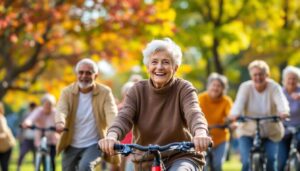


Physical activity has long been recognized as a cornerstone of healthy living, but recent findings suggest that how we exercise may matter just as much as how much we exercise. While conventional wisdom has focused on accumulating minutes of physical activity, groundbreaking research from Harvard University reveals a more nuanced picture. The study challenges the traditional emphasis on exercise volume alone, pointing instead to the importance of diversifying workout routines as a critical factor in extending lifespan and improving overall health outcomes.
The benefits of exercise variety
Engaging in a wide range of physical activities offers multifaceted advantages that single-mode exercise routines cannot match. When individuals incorporate different types of movement into their weekly schedules, they activate diverse muscle groups, challenge their cardiovascular system in varied ways, and develop a more comprehensive fitness foundation.
Comprehensive physical development
Exercise variety promotes balanced physical development across multiple dimensions of fitness. A diversified approach ensures that no single aspect of health is neglected while others are overemphasized. The human body responds differently to various forms of physical stress, and exposing it to multiple stimuli creates more robust adaptations.
- Cardiovascular endurance improves through aerobic activities like running, cycling, and swimming
- Muscular strength develops via resistance training with weights or bodyweight exercises
- Flexibility and mobility enhance through yoga, stretching, and dynamic movement practices
- Balance and coordination benefit from activities like dancing, martial arts, or recreational sports
- Bone density increases with weight-bearing exercises and impact activities
Reduced injury risk and overuse prevention
Repetitive strain from performing the same exercises consistently can lead to overuse injuries that sideline even the most dedicated fitness enthusiasts. By rotating through different activities, individuals distribute physical stress more evenly across their musculoskeletal system. This approach allows specific muscle groups and joints to recover while others are being challenged, creating a sustainable long-term exercise pattern that minimizes breakdown and maximizes resilience.
Mental engagement and adherence
The psychological benefits of exercise variety extend beyond physical outcomes. Novelty and challenge keep workouts mentally stimulating, reducing the monotony that often leads to abandoned fitness routines. When people enjoy their activities and feel engaged, they are significantly more likely to maintain consistent exercise habits over years and decades.
Understanding these broad benefits sets the stage for examining the specific research that has brought exercise diversity into sharper focus.
The revealing Harvard study
Researchers at Harvard University conducted an extensive analysis examining the relationship between exercise patterns and mortality rates. The study tracked thousands of participants over extended periods, documenting not only total physical activity levels but also the variety of activities in which individuals engaged.
Study methodology and participant data
The research team analyzed health data from a large cohort, assessing both the quantity of exercise participants performed and the diversity of their physical activities. Participants reported their engagement in various forms of movement, from structured workouts to recreational activities and daily functional movements. This comprehensive approach allowed researchers to distinguish between those who accumulated high exercise volumes through repetitive activities and those who achieved similar volumes through varied pursuits.
Key findings on variety versus volume
The results revealed a striking pattern that challenged conventional assumptions about exercise and longevity. While total exercise volume did correlate with reduced mortality risk, the diversity of activities proved to be an independent predictor of longer lifespan. Individuals who engaged in a wider range of physical activities experienced lower mortality rates even when compared to those who exercised for similar durations but with less variety.
| Exercise Pattern | Mortality Risk Reduction | Key Characteristic |
|---|---|---|
| High volume, low variety | Moderate reduction | Repetitive activities |
| Moderate volume, high variety | Significant reduction | Diverse movement patterns |
| High volume, high variety | Maximum reduction | Both quantity and diversity |
These findings prompted researchers to investigate the mechanisms behind this phenomenon, leading to deeper insights about how different types of movement affect human physiology.
The difference between volume and diversity of activities
Understanding the distinction between exercise volume and variety is essential for applying these research findings to personal fitness strategies. While related, these two dimensions of physical activity represent fundamentally different approaches to movement and health.
Defining exercise volume
Exercise volume refers to the total amount of physical activity accumulated over a given period, typically measured in minutes per week or total energy expenditure. Someone who runs for sixty minutes five days per week achieves substantial exercise volume, meeting or exceeding standard public health recommendations. This quantitative measure has dominated fitness guidelines for decades, with specific targets established for optimal health outcomes.
Understanding activity diversity
Activity diversity, by contrast, measures the range of different movement types incorporated into a fitness routine. Rather than focusing solely on duration or intensity, this dimension considers how many distinct forms of exercise a person regularly performs. An individual might engage in swimming, resistance training, yoga, hiking, and recreational sports throughout a typical week, creating high diversity even if total weekly minutes remain moderate.
Why both matter but differently
The Harvard research suggests that these two dimensions contribute to health through complementary mechanisms. Volume ensures sufficient physiological stimulus to maintain cardiovascular health, metabolic function, and basic fitness. Diversity, however, provides additional benefits by:
- Challenging the body through varied movement patterns that develop comprehensive fitness
- Reducing repetitive stress on specific joints and muscle groups
- Engaging different energy systems and metabolic pathways
- Promoting neurological adaptations through novel movement challenges
- Supporting functional capacity across a broader range of real-world activities
These mechanistic differences help explain why variety emerges as an independent factor in longevity studies, leading to questions about the specific pathways through which diverse exercise extends lifespan.
Impact on longevity: what science says
The connection between exercise diversity and extended lifespan operates through multiple biological pathways, each contributing to reduced disease risk and improved healthspan.
Cardiovascular and metabolic benefits
Different types of exercise stress the cardiovascular system in distinct ways. Steady-state aerobic activities improve endurance capacity, while high-intensity interval training enhances cardiac output and metabolic flexibility. Resistance training supports vascular health through different mechanisms than aerobic exercise. When combined, these varied stimuli create more robust cardiovascular adaptations than any single modality alone, reducing the risk of heart disease, stroke, and metabolic disorders that commonly limit lifespan.
Musculoskeletal resilience and functional capacity
Maintaining physical independence throughout the aging process strongly predicts longevity and quality of life. Exercise variety builds comprehensive musculoskeletal health by developing strength, flexibility, balance, and coordination simultaneously. This multifaceted fitness foundation reduces fall risk, preserves mobility, and enables older adults to maintain active lifestyles that further support health and longevity.
Cognitive and neurological advantages
Emerging research indicates that varied physical activities provide unique cognitive benefits compared to repetitive exercise routines. Learning new movement patterns, coordinating complex activities, and adapting to different physical challenges all stimulate neuroplasticity and may help preserve cognitive function with age. These neurological benefits complement the direct physical effects of exercise, contributing to overall longevity through multiple pathways.
With this understanding of how variety influences lifespan, practical application becomes the next logical consideration.
Examples of varied routines for better health
Translating research findings into actionable fitness plans requires concrete examples that demonstrate how to incorporate meaningful variety without overwhelming complexity.
Weekly schedule incorporating multiple modalities
A well-designed varied routine might include:
- Monday: resistance training focusing on upper body and core strength
- Tuesday: moderate-intensity cycling or swimming for cardiovascular endurance
- Wednesday: yoga or mobility work emphasizing flexibility and balance
- Thursday: resistance training targeting lower body and functional movements
- Friday: recreational activity such as tennis, basketball, or hiking
- Saturday: high-intensity interval training or group fitness class
- Sunday: active recovery with walking, gentle stretching, or recreational activities
Seasonal variation strategies
Building variety across longer timeframes prevents stagnation and maintains engagement throughout the year. Individuals might emphasize outdoor activities during favorable weather months, incorporate winter sports when available, and rotate through different training focuses across seasons. This approach creates natural progression while ensuring comprehensive fitness development over time.
Combining structured and unstructured activities
Effective variety doesn’t require every activity to be a formal workout. Blending structured exercise with recreational movement creates sustainable diversity. Regular gym sessions might be complemented by weekend hikes, playing with children or grandchildren, gardening, dancing, or participating in community sports leagues. These unstructured activities contribute to both volume and variety while enhancing enjoyment and social connection.
Implementing these varied approaches requires practical strategies for overcoming common barriers and maintaining consistency.
Tips for incorporating more diversity into workouts
Successfully diversifying exercise routines demands intentional planning and strategies to overcome obstacles that typically limit variety.
Start gradually with manageable additions
Rather than completely overhauling an existing routine, begin by adding one new activity type every few weeks. This gradual approach allows the body to adapt, reduces injury risk, and makes the transition psychologically manageable. Someone currently focused solely on running might add a weekly strength training session, then later incorporate yoga or swimming as comfort and capacity develop.
Leverage community resources and facilities
Many fitness centers, community recreation programs, and online platforms offer diverse class options that simplify variety implementation. Group fitness classes, recreational sports leagues, and instructional programs provide structure, social support, and expert guidance across multiple activity types. These resources reduce the learning curve associated with new activities while creating accountability and enjoyment.
Address practical barriers proactively
Common obstacles to exercise diversity include:
- Limited time: combine activities into efficient sessions or use shorter duration workouts across more modalities
- Equipment access: focus on bodyweight exercises, outdoor activities, and minimal-equipment options
- Skill concerns: begin with beginner-friendly versions and progress gradually as competence develops
- Scheduling complexity: establish a rotating weekly template that becomes routine over time
- Cost considerations: prioritize free or low-cost activities like walking, running, bodyweight training, and outdoor recreation
Track variety alongside volume
Monitoring exercise diversity helps ensure balanced programming over time. Simple tracking methods might include logging different activity types weekly, setting monthly goals for trying new movements, or using fitness apps that categorize workout variety. This awareness prevents inadvertent drift back toward repetitive routines and maintains the diversity that research shows benefits longevity.
The evidence supporting exercise variety as a longevity factor represents a significant evolution in understanding optimal physical activity patterns. Rather than focusing exclusively on accumulating exercise minutes, the research points toward a more nuanced approach that values diverse movement experiences. Incorporating multiple types of activities throughout the week challenges the body comprehensively, reduces injury risk, maintains mental engagement, and activates the varied biological pathways that support extended healthspan. Practical implementation need not be complex, starting with small additions to existing routines and gradually building a rich repertoire of enjoyable activities. The message is clear: moving more matters, but moving in varied ways matters even more for those seeking to maximize both the length and quality of their lives.