



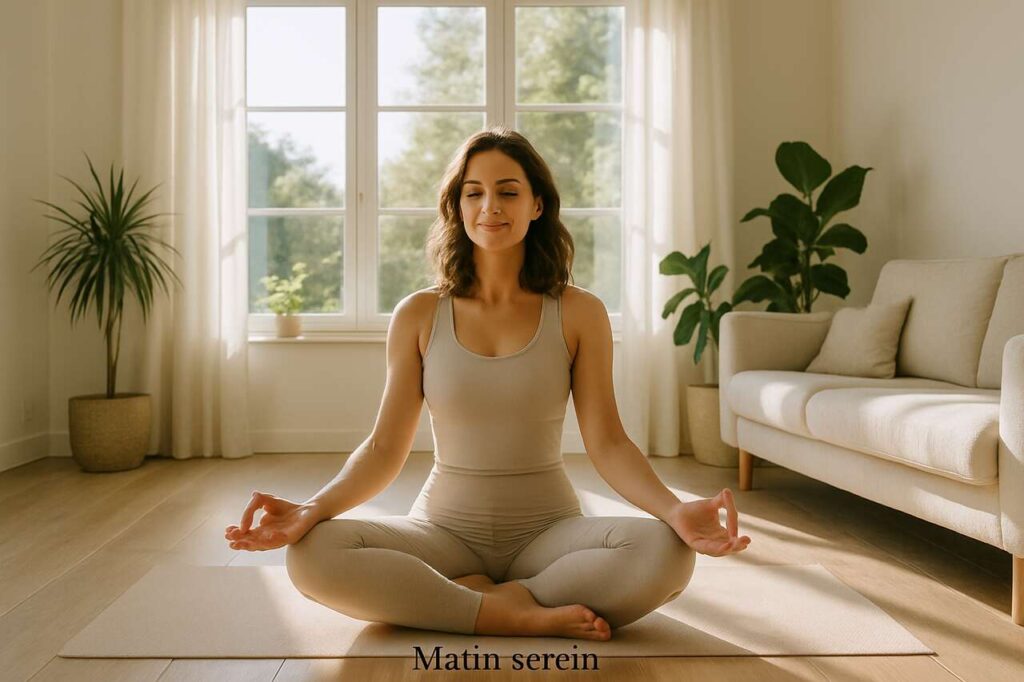
The alarm rings, and instead of lacing up running shoes or heading to the gym for another grueling session, a different kind of movement beckons. For those who have spent years pushing their bodies to the limit with high-intensity workouts, the idea of slowing down might seem counterintuitive. Yet an increasing number of people are discovering that gentler forms of exercise can deliver profound benefits, particularly when it comes to managing stress. After years of intense morning workouts, switching to a calming yoga routine led by one of the internet’s most beloved instructors revealed an unexpected truth: sometimes less really is more.
Why I chose to replace intense exercise
The toll of high-intensity training
For years, intense exercise had been a cornerstone of my morning routine. Deadlifts, sprints, and high-impact interval training provided an adrenaline rush that seemed like the perfect way to start the day. However, this approach came with hidden costs. The constant physical demand placed significant stress on my nervous system, and rather than feeling energized, I often felt depleted before the workday even began.
Research increasingly shows that excessive high-intensity exercise can elevate cortisol levels, the body’s primary stress hormone. When combined with the pressures of daily life, this can create a cycle of chronic stress that undermines the very health benefits exercise is meant to provide. I began noticing signs that my body needed a different approach:
- Persistent muscle soreness that lasted days rather than hours
- Difficulty falling asleep despite physical exhaustion
- Increased irritability and mental fog throughout the day
- A sense of dread rather than excitement about morning workouts
Recognizing the need for balance
The realization that something needed to change came gradually. Physical fitness should enhance life, not drain it. While intense exercise has its place, the relentless pursuit of pushing harder and faster had stopped serving my overall well-being. The body requires not just challenge but also restoration, and my routine offered little of the latter.
This recognition opened the door to exploring gentler alternatives that could still provide movement and structure to my mornings while supporting rather than depleting my energy reserves. The search for a more balanced approach naturally led to considering yoga as a viable option.
Yoga With Adriene: the favored morning routine
The appeal of accessible online yoga
With over 13 million followers on YouTube, the instructor behind this popular channel has built a devoted community over 13 years of teaching. Her approach emphasizes accessibility, authenticity, and meeting practitioners exactly where they are. Unlike intimidating studio classes or overly polished fitness content, these videos feel like practicing with a knowledgeable friend who genuinely cares about your well-being.
The specific routine that caught my attention was a 20-minute early morning yoga and meditation session designed to set a calm, intentional tone for the day. The length felt manageable, the promise of reduced stress compelling, and the overwhelmingly positive feedback from millions of viewers provided reassurance that this might be the change I needed.
Structure of the morning sequence
The routine follows a thoughtfully designed progression that honors the body’s need to wake up gradually. Rather than jumping immediately into demanding poses, the sequence begins with stillness and builds mindfully from there.
| Phase | Duration | Focus |
|---|---|---|
| Guided meditation | 5 minutes | Breath awareness and intention setting |
| Gentle stretches | 12 minutes | Mobility and tension release |
| Final relaxation | 3 minutes | Integration and calm |
The movements themselves are wonderfully simple yet effective. Starting from a comfortable seated position, the sequence flows through puppy pose to open the shoulders, cat-cow stretches to mobilize the spine, and low lunges to awaken the hips and legs. No special equipment beyond a yoga mat is required, removing barriers to participation.
What makes this routine particularly appealing is its emphasis on internal experience rather than external achievement. There are no impossible poses to master, no pressure to perform, just an invitation to move with awareness and kindness toward yourself. This fundamental shift in approach set the stage for discovering unexpected benefits.
The immediate benefits on stress and well-being
The mind-body connection in action
The difference was noticeable from the very first session. Where intense exercise had left me wired and depleted, this gentle practice left me calm yet energized. The five-minute meditation at the beginning created a buffer between sleep and the demands of the day, allowing my nervous system to transition gradually rather than being jolted into high alert.
The physical sensations were equally remarkable. Tight shoulders that had been constant companions for years began to release. The deliberate, mindful movements brought awareness to areas of tension I had been unconsciously holding, and the slow pace allowed my body to actually respond and let go rather than simply pushing through discomfort.
Measurable improvements in stress levels
Beyond subjective feelings, several concrete indicators pointed to genuine stress reduction:
- Heart rate variability improved, suggesting better nervous system regulation
- Morning anxiety that typically accompanied waking decreased significantly
- Mental clarity and focus throughout the day noticeably increased
- Sleep quality improved, with easier time falling and staying asleep
- Overall mood felt more stable and resilient to daily stressors
The contrast with how intense exercise had affected my stress levels was striking. While high-intensity workouts provided a temporary sense of accomplishment, they also activated the same physiological stress response my body was already experiencing from work and life pressures. Yoga, by contrast, actively engaged the parasympathetic nervous system, the body’s rest and digest mode, creating genuine recovery rather than adding to the stress load.
Physical renewal without exhaustion
Perhaps most surprisingly, this gentler approach did not mean sacrificing physical benefits. The stretches and poses improved flexibility and mobility in ways that intense training had not. Muscles that had been chronically tight from repetitive high-impact movements began to lengthen and relax. Joint pain that I had attributed to aging or inevitable wear diminished as my body found more balanced movement patterns.
The practice also revealed how much tension I had been carrying unconsciously. Simply bringing awareness to the breath and body created opportunities for release that had been impossible when constantly pushing for performance. This discovery opened possibilities for integrating the practice more fully into daily life.
An accessible yoga flow for everyone
No experience required
One of the most appealing aspects of this routine is its genuine accessibility. You do not need to be flexible, strong, or experienced to participate meaningfully. The instructor offers modifications for different body types and ability levels, and the emphasis remains consistently on personal experience rather than achieving specific positions.
This inclusive approach removes the intimidation factor that keeps many people from trying yoga. There is no judgment, no comparison to others, no pressure to look a certain way or perform at a certain level. The practice meets you exactly where you are and invites gentle exploration from that starting point.
Minimal equipment and space needs
Practical considerations often prevent people from establishing new routines, but this practice requires remarkably little:
- A yoga mat or soft surface
- Comfortable clothing that allows movement
- Enough floor space to lie down and extend arms
- 20 minutes of uninterrupted time
- Access to the video through any device
The simplicity of these requirements means the practice can happen almost anywhere: at home, in a hotel room while traveling, even outdoors when weather permits. This flexibility supports consistency, which is ultimately what transforms an occasional activity into a sustainable habit that delivers lasting benefits.
Understanding how accessible and adaptable this practice is naturally leads to considering strategies for making it a regular part of daily life rather than an occasional experiment.
How to incorporate this routine into your daily life
Creating a sustainable morning habit
The key to making any new practice stick is removing obstacles and building supportive structures. For morning yoga, this means preparing the night before. Laying out your mat, setting out comfortable clothes, and queuing up the video eliminates decision-making when willpower is lowest.
Timing matters significantly. Practicing immediately after waking, before checking phones or email, protects the space from competing demands. This might mean setting an alarm 20 minutes earlier, but the investment pays dividends in how the entire day unfolds. The morning hours offer a quietness and lack of interruption that becomes increasingly difficult to find as the day progresses.
Strategies for consistency
Building a new habit requires intention and often benefits from specific strategies:
- Start with a commitment to just one week rather than an overwhelming indefinite goal
- Track completion with a simple calendar check mark for visual progress
- Identify the specific trigger that will cue the practice, such as making coffee
- Prepare for obstacles by deciding in advance how to handle common disruptions
- Allow flexibility in timing if mornings become impossible on certain days
It is also helpful to reframe expectations around perfection. Some days the practice will feel effortless and transformative. Other days it might feel mechanical or distracted. Both experiences are valuable and part of the process. Consistency matters more than any single session’s quality.
Adapting the practice to your needs
While following the guided video provides structure, the practice can be personalized over time. Perhaps certain stretches feel particularly beneficial and deserve extra attention. Maybe the meditation portion resonates more than the physical movements, suggesting exploration of longer meditation practices. The routine serves as a foundation, not a rigid prescription.
Listening to your body’s feedback allows the practice to evolve in ways that serve your changing needs. This adaptive approach ensures the routine remains relevant and beneficial rather than becoming stale or obligatory. With these integration strategies in mind, reflecting on personal experience provides valuable perspective.
My personal experience after the trial
Unexpected discoveries
What began as a simple experiment in stress reduction revealed layers of benefit I had not anticipated. The practice became a anchor point in my day, a reliable source of calm regardless of external circumstances. This stability proved particularly valuable during challenging periods when everything else felt uncertain or overwhelming.
Perhaps most surprisingly, the gentle approach actually improved my performance in other physical activities. With reduced chronic tension and better body awareness, movements in sports and daily life became more efficient and less prone to injury. The yoga practice complemented rather than replaced other forms of exercise, creating a more balanced and sustainable overall approach to fitness.
Lasting changes in perspective
Beyond the physical and mental benefits, the practice shifted my relationship with exercise itself. Movement no longer needed to be punishing to be worthwhile. This realization freed me from the cycle of pushing harder regardless of how my body felt, allowing instead for intuitive responses to what I actually needed on any given day.
The morning routine also influenced how I approached other areas of life. The patience and non-judgment cultivated on the mat began appearing in interactions with others and myself. Small moments of mindfulness throughout the day became more accessible, as if the morning practice had opened a door that remained ajar.
After weeks of consistent practice, returning to occasional high-intensity workouts revealed how much my baseline stress levels had decreased. What once felt energizing now sometimes felt excessive, a clear signal that my nervous system had recalibrated to a healthier set point. This provided valuable information for designing a truly balanced fitness approach going forward.
The decision to swap intense morning exercise for a gentle yoga routine delivered benefits that extended far beyond simple stress reduction. By honoring the body’s need for restoration alongside challenge, this accessible practice created space for genuine well-being to emerge. For anyone feeling overwhelmed by the demands of intense training or simply seeking a calmer way to begin each day, exploring this type of mindful movement offers a compelling alternative. The immediate sense of reduced stress and increased presence suggests that sometimes the most powerful changes come not from pushing harder, but from learning when to soften and allow.