



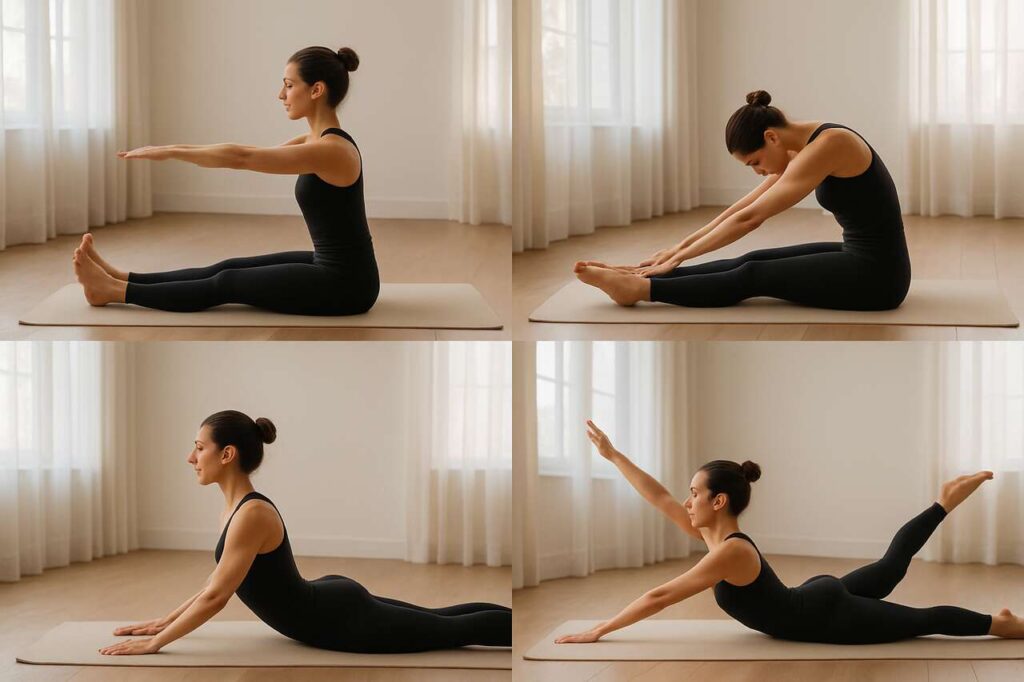
Stiffness in the back has become an increasingly common complaint among individuals who spend extended periods sitting at desks, commuting, or engaging in minimal physical activity throughout the day. According to a Pilates instructor, the primary culprit behind this discomfort is not simply poor posture or weak muscles, but rather an alarming lack of movement. The human spine is designed to bend, twist, and extend in multiple directions, yet modern lifestyles often confine it to static positions for hours on end. This restriction creates tension, reduces flexibility, and ultimately leads to the chronic stiffness that plagues so many people. The solution, however, may be simpler than expected: incorporating specific spine-lengthening movements into daily routines can dramatically improve back health and restore natural mobility.
Causes of back stiffness
Sedentary behavior and prolonged sitting
The modern workplace has fundamentally altered how we use our bodies throughout the day. Sitting for extended periods places the spine in a compressed position, reducing the space between vertebrae and limiting the flow of nutrients to spinal discs. This compression contributes significantly to the sensation of stiffness and discomfort that intensifies as the day progresses.
- Desk work requiring minimal movement for six to eight hours daily
- Commuting in cars or public transportation with limited postural variation
- Evening relaxation spent sitting on couches or recliners
- Screen time that encourages forward head posture and rounded shoulders
Muscular imbalances and weakness
When certain muscle groups remain inactive for prolonged periods, they begin to weaken while opposing muscles tighten and shorten. This muscular imbalance creates an environment where the spine cannot move through its full range of motion. The deep core muscles that support spinal movement often become disengaged, forcing superficial muscles to compensate in ways they were not designed to handle.
Lack of movement variety
Even individuals who exercise regularly may experience back stiffness if their activities lack movement diversity. Running, cycling, or repetitive gym routines often emphasize the same movement patterns, neglecting the spine’s need for flexion, extension, lateral bending, and rotation. Without this variety, certain spinal segments remain underutilized and consequently lose mobility.
Understanding these underlying causes provides essential context for why targeted movement interventions prove so effective in addressing back stiffness.
The importance of mobility for the back
Spinal health depends on regular movement
The spine functions optimally when it moves regularly through its complete range of motion. Each vertebra is designed to articulate with its neighbors, creating a flexible column that can adapt to various physical demands. Movement facilitates the exchange of fluids within spinal discs, delivering nutrients and removing waste products that accumulate during static positions.
| Movement Type | Spinal Benefit | Daily Frequency Recommended |
|---|---|---|
| Flexion | Stretches posterior structures | 10-15 repetitions |
| Extension | Decompresses anterior discs | 10-15 repetitions |
| Rotation | Maintains intervertebral mobility | 8-10 repetitions per side |
| Lateral flexion | Balances side-to-side flexibility | 8-10 repetitions per side |
Creating space between vertebrae
Movement acts as an internal massage for the spine, creating space between vertebrae that relieves pressure on nerves and discs. This decompression effect reduces pain signals and allows the spine to function more efficiently. When movement becomes habitual, the body maintains this space more effectively throughout the day.
Neurological benefits of spinal mobility
The spine houses the spinal cord, which serves as the primary communication pathway between the brain and the rest of the body. Regular movement stimulates mechanoreceptors within spinal joints, sending positive signals to the nervous system that can reduce pain perception and improve overall body awareness.
These mobility benefits extend beyond simple comfort, influencing overall health and functional capacity in meaningful ways.
The dangers of prolonged immobility
Progressive tissue adaptation
When the spine remains in limited positions for extended periods, the surrounding tissues begin to adapt to these restrictions. Connective tissues shorten, muscles lose their elastic properties, and joints become accustomed to reduced ranges of motion. This adaptation process occurs gradually but can lead to significant limitations over time.
- Fascia becomes dense and less pliable around immobile segments
- Synovial fluid production decreases in underutilized joints
- Muscle fibers reorganize to accommodate shortened positions
- Neural pathways for movement patterns weaken from disuse
Increased injury risk
A stiff, immobile spine becomes vulnerable to injury when sudden movements are required. Without regular practice moving through full ranges of motion, the body loses its ability to safely absorb unexpected forces or perform unfamiliar actions. Simple activities like reaching overhead, twisting to look behind, or bending to pick up objects can strain tissues that have lost their flexibility.
Chronic pain development
Prolonged immobility creates a cycle where stiffness leads to pain, which then causes individuals to move even less to avoid discomfort. This pain-immobility cycle can become self-perpetuating, with each iteration further reducing mobility and increasing sensitivity. Breaking this cycle requires intentional movement despite initial discomfort.
Recognizing these dangers emphasizes the critical need for proactive intervention through targeted exercises.
Pilates exercises to loosen the spine
Spinal flexion exercise
This foundational movement encourages the spine to articulate vertebra by vertebra, creating length and space throughout the entire column. Begin standing with feet positioned hip-width apart and arms extended overhead. Slowly roll down through the spine, leading with the head and allowing each vertebra to flex sequentially. The movement should create a smooth C-curve as the torso descends toward the floor. Allow the arms and head to hang freely for several breaths, then reverse the motion by stacking each vertebra back to standing position. This exercise promotes spinal decompression and stretches the posterior chain.
Modified roll-up
The roll-up challenges core strength while promoting spinal articulation. Sit on the floor with knees bent and feet flat, extending arms forward at shoulder height. Engage the deep abdominal muscles and slowly lean backward, maintaining a lifted chest and avoiding collapse through the mid-back. Lower halfway to the floor, pause briefly, then use controlled core engagement to return to the starting position. This controlled movement teaches the spine to move smoothly while building the strength necessary to support proper alignment.
Rolling like a ball
This playful yet effective exercise provides a gentle massage for the entire spine. Sit on a mat and draw the knees toward the chest, lifting the feet off the ground to balance on the sitting bones. Maintain a rounded spine position and roll backward slightly, then use momentum and core engagement to return to the balanced starting position. The rolling motion stimulates circulation around the vertebrae while encouraging spinal flexibility in a safe, controlled manner.
Half roll back
Beginning in a seated position with knees bent and feet flat, extend the arms forward and slowly lower the torso backward while maintaining core engagement. The key to this exercise lies in controlling the descent through muscular engagement rather than simply falling backward. Return to the starting position using the same controlled approach. This movement strengthens the muscles that support spinal movement while improving awareness of proper alignment.
These four exercises form a comprehensive approach to restoring spinal mobility and can be adapted to individual fitness levels.
How to integrate these movements into your routine
Creating a consistent practice schedule
Consistency proves more valuable than intensity when addressing back stiffness. Dedicating ten to fifteen minutes daily to these spine-lengthening movements yields better results than sporadic longer sessions. Consider practicing first thing in the morning to counteract overnight stiffness or during midday breaks to interrupt prolonged sitting.
- Morning practice: perform all four exercises as a wake-up routine
- Midday break: select two exercises to reset posture during work hours
- Evening wind-down: use gentle versions to release accumulated tension
- Pre-workout preparation: incorporate as part of a comprehensive warm-up
Progressive implementation
Begin with modified versions of each exercise, focusing on quality of movement rather than quantity of repetitions. Start with five repetitions of each movement and gradually increase as comfort and control improve. Pay attention to how the body responds and adjust accordingly, remembering that some initial discomfort is normal when reintroducing movement to stiff areas.
Environmental considerations
Create a dedicated space for practice that encourages regular participation. A simple exercise mat in a quiet corner serves as a visual reminder and reduces barriers to beginning practice. Keep the area free from distractions and ensure adequate space to move freely through all exercises.
Establishing these practical habits transforms isolated exercises into sustainable lifestyle changes that support long-term spinal health.
The benefits of a more flexible spine
Reduced pain and discomfort
Regular practice of spine-lengthening movements significantly decreases chronic back pain by addressing its root cause: insufficient movement. As mobility improves, pressure on nerves decreases, muscular tension releases, and the body’s natural pain-relief mechanisms activate more effectively. Many individuals report noticeable improvements within two to three weeks of consistent practice.
Enhanced functional capacity
A flexible spine improves performance in daily activities and recreational pursuits. Simple tasks like putting on shoes, reaching for items on high shelves, or playing with children become easier and more comfortable. Athletic performance often improves as well, since spinal mobility contributes to efficient force transfer and injury prevention across virtually all physical activities.
Improved posture and body awareness
As the spine regains its natural mobility, postural alignment often improves spontaneously. The body rediscovers efficient positions that require less muscular effort to maintain, reducing fatigue throughout the day. Enhanced proprioceptive awareness develops as well, allowing individuals to recognize and correct poor positions before they create problems.
| Benefit Category | Specific Improvements | Timeline for Results |
|---|---|---|
| Pain reduction | Decreased stiffness and discomfort | 2-3 weeks |
| Mobility gains | Increased range of motion | 3-4 weeks |
| Strength development | Enhanced core stability | 4-6 weeks |
| Postural changes | More aligned standing and sitting | 6-8 weeks |
Long-term health implications
Maintaining spinal flexibility throughout life contributes to healthy aging and sustained independence. Research indicates that spinal mobility correlates with overall functional capacity in older adults, affecting everything from balance to cognitive function. Investing in spinal health now creates dividends that compound over decades.
Back stiffness represents a common but addressable condition rooted primarily in insufficient movement rather than inevitable aging or structural damage. The four spine-lengthening Pilates exercises outlined provide an accessible, effective solution that targets the underlying cause of stiffness by reintroducing essential movement patterns. Through consistent practice of spinal flexion, modified roll-ups, rolling like a ball, and half roll backs, individuals can restore mobility, reduce pain, and enhance overall quality of life. The key lies not in complex interventions but in the simple commitment to move the spine regularly through its full range of motion, creating space between vertebrae and reversing the effects of prolonged immobility. By dedicating just minutes each day to these targeted movements, anyone can experience the transformative benefits of a more flexible, resilient spine.