

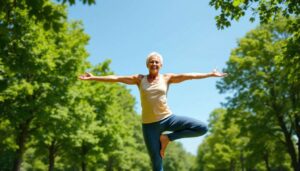


Maintaining physical strength becomes increasingly vital as we age, yet many adults over 60 believe they need expensive gym memberships or complex equipment to stay fit. The reality is quite different. Bodyweight exercises offer a practical, accessible, and highly effective alternative that can be performed anywhere, anytime. These movements not only build functional strength but also improve balance, coordination, and overall quality of life. With the global population aging rapidly and the number of centenarians continuing to climb, understanding how to maintain independence through simple yet powerful exercises has never been more important. The following four bodyweight moves have proven particularly effective for those over 60, delivering results that often surpass traditional gym workouts while being gentler on aging joints.
Understanding the importance of bodyweight exercises after 60
Why bodyweight training matters for aging adults
Bodyweight exercises represent a fundamental approach to fitness that becomes increasingly relevant after 60. Unlike isolated machine exercises found in most gyms, these movements engage multiple muscle groups simultaneously, mimicking real-world activities and building functional strength that translates directly to daily tasks. Research demonstrates that adults who participate in strength training at least twice weekly can reduce their risk of early mortality by an impressive 46%.
The beauty of bodyweight training lies in its adaptability. Each movement can be modified to match individual fitness levels, making it suitable for beginners and experienced exercisers alike. This flexibility ensures that anyone can start building strength regardless of their current physical condition.
Joint health and safety considerations
Traditional gym equipment often places significant stress on joints, which can be problematic for older adults dealing with arthritis or previous injuries. Bodyweight exercises offer a gentler alternative that builds strength while preserving joint health. The controlled nature of these movements allows practitioners to:
- Work within comfortable range-of-motion limits
- Avoid excessive impact on vulnerable joints
- Progress gradually without risk of overloading
- Maintain proper form throughout each exercise
This joint-friendly approach makes bodyweight training particularly suitable for long-term consistency, which is essential for maintaining strength gains over time.
Understanding these foundational principles sets the stage for exploring specific exercises that deliver remarkable results.
Benefits of chair-supported squats
Mastering the fundamental movement pattern
The chair-supported squat stands as one of the most essential exercises for adults over 60. This movement directly mirrors everyday activities like sitting down and standing up, making it incredibly functional. By strengthening the legs, hips, and glutes, this exercise builds the foundation for maintaining independence in daily life.
To perform a proper chair-supported squat, stand in front of a sturdy chair with feet hip-width apart. Slowly lower yourself toward the seat, keeping your chest lifted and weight in your heels. Just before touching the chair, pause briefly, then push through your heels to return to standing. This controlled descent and ascent activates major muscle groups while building confidence in movement.
Progressive benefits and adaptations
Regular practice of chair-supported squats yields numerous advantages:
- Enhanced mobility in hips and knees
- Improved balance and stability
- Increased confidence in daily movements
- Strengthened core muscles
- Better posture throughout the day
Starting with 10-12 repetitions provides an excellent foundation. As strength improves, practitioners can increase repetitions, slow down the movement for added challenge, or eventually progress to squats without chair support. This scalability ensures continuous improvement without requiring additional equipment.
Building lower body strength through squats naturally complements upper body development through another accessible exercise.
The power of wall push-ups
Upper body strength without joint strain
Wall push-ups offer a remarkably effective method for strengthening the chest, shoulders, and arms while being significantly less demanding on joints than traditional floor push-ups. This exercise proves particularly valuable for those who may have wrist, shoulder, or elbow concerns that make standard push-ups uncomfortable or impossible.
Stand facing a wall at arm’s length distance. Place your palms flat against the wall at shoulder height and width. Keeping your body straight, bend your elbows to bring your chest toward the wall, then push back to the starting position. The angle of your body determines the difficulty level, making this exercise infinitely adjustable.
Progression and muscle engagement
Wall push-ups engage multiple upper body muscles simultaneously, creating a compound movement that delivers comprehensive benefits. The exercise targets:
- Pectoral muscles in the chest
- Deltoids in the shoulders
- Triceps in the upper arms
- Core stabilizers throughout the torso
Beginners can start close to the wall for an easier angle, while more advanced practitioners can step further back to increase intensity. This simple adjustment allows for continuous progression without changing the basic movement pattern, making it ideal for long-term strength development.
While upper body strength is crucial, lower body stability and balance require equal attention.
Enhancing balance with knee lifts
Building stability through controlled movement
Knee lifts represent a deceptively simple yet highly effective exercise for improving balance and leg strength. Standing balance exercises become increasingly important after 60, as they directly reduce fall risk and enhance confidence in movement. This exercise can be performed anywhere with minimal space requirements.
Stand tall with feet hip-width apart, using a wall or sturdy chair for light support if needed. Slowly lift one knee toward your chest while maintaining an upright posture. Hold briefly at the top, then lower with control. The deliberate pace of this movement maximizes its balance-building benefits.
Functional benefits for daily activities
Regular practice of knee lifts delivers multiple advantages that extend beyond the exercise itself:
- Improved single-leg stability
- Enhanced coordination between upper and lower body
- Strengthened hip flexors and core muscles
- Better proprioception and body awareness
- Increased confidence in navigating stairs and uneven surfaces
Starting with 8-10 repetitions per leg provides an appropriate challenge for most beginners. As balance improves, practitioners can reduce hand support, hold the lifted position longer, or add a pause at the top of the movement for additional difficulty.
Complementing balance work with targeted posterior chain strengthening creates a well-rounded fitness foundation.
Increasing stability with the glute bridge
Strengthening the posterior chain
The glute bridge stands as a cornerstone exercise for developing strength in the often-neglected posterior muscles. This movement targets the glutes, hamstrings, and lower back while being performed in a safe, supported position. Strong posterior chain muscles are essential for maintaining proper posture and preventing lower back pain.
Lie on your back with knees bent and feet flat on the floor, hip-width apart. Arms rest at your sides. Press through your heels to lift your hips toward the ceiling, creating a straight line from shoulders to knees. Hold briefly at the top, squeezing your glutes, then lower with control. This controlled lifting and lowering maximizes muscle engagement while minimizing strain.
Comprehensive benefits for daily function
The glute bridge delivers remarkable benefits that improve overall quality of life:
- Reduced lower back discomfort
- Improved hip mobility and flexibility
- Enhanced core stability
- Better posture during sitting and standing
- Increased power for walking and climbing stairs
Beginning with 10-15 repetitions allows most practitioners to build strength safely. Advanced variations include holding the top position longer, performing single-leg bridges, or adding a resistance band around the thighs for increased difficulty.
With these four powerful movements understood, implementing them effectively requires thoughtful planning and execution.
Tips for starting a senior-friendly exercise routine
Creating a sustainable practice
Starting any new exercise program after 60 requires a thoughtful approach that balances ambition with safety. Begin slowly and listen to your body’s signals. Soreness is normal, but sharp pain indicates the need to modify or stop. Consulting with a healthcare professional before beginning is always recommended, especially for those with existing health conditions.
A well-rounded weekly routine should include:
- Strength training sessions at least twice weekly
- Mobility and flexibility work on alternate days
- Light aerobic activity like walking most days
- Adequate rest days for recovery
Maximizing long-term success
Consistency trumps intensity when building lasting strength after 60. Focus on perfect form rather than high repetitions, as proper technique prevents injury and ensures maximum benefit from each movement. Track your progress in a simple journal to maintain motivation and celebrate improvements.
Consider these additional strategies for success:
- Exercise at the same time each day to build habit
- Start with fewer repetitions and gradually increase
- Warm up with gentle movement before exercising
- Cool down with stretching after each session
- Stay hydrated throughout your workout
Remember that adaptation occurs gradually. Most practitioners notice improved strength and confidence within four to six weeks of consistent practice, with continued gains developing over months and years.
Building strength after 60 through bodyweight exercises offers a practical, effective, and accessible path to maintaining independence and quality of life. The four movements covered, chair-supported squats, wall push-ups, knee lifts, and glute bridges, provide comprehensive strength development without requiring gym equipment or memberships. These exercises engage multiple muscle groups simultaneously, improve balance and coordination, and can be adapted to any fitness level. Starting slowly, focusing on proper form, and maintaining consistency are key to long-term success. By incorporating these movements into a regular routine at least twice weekly, older adults can significantly reduce mortality risk while building the functional strength necessary for daily activities. Take the first step today by trying just one of these exercises, and gradually build a complete routine that supports an active, independent lifestyle for years to come.